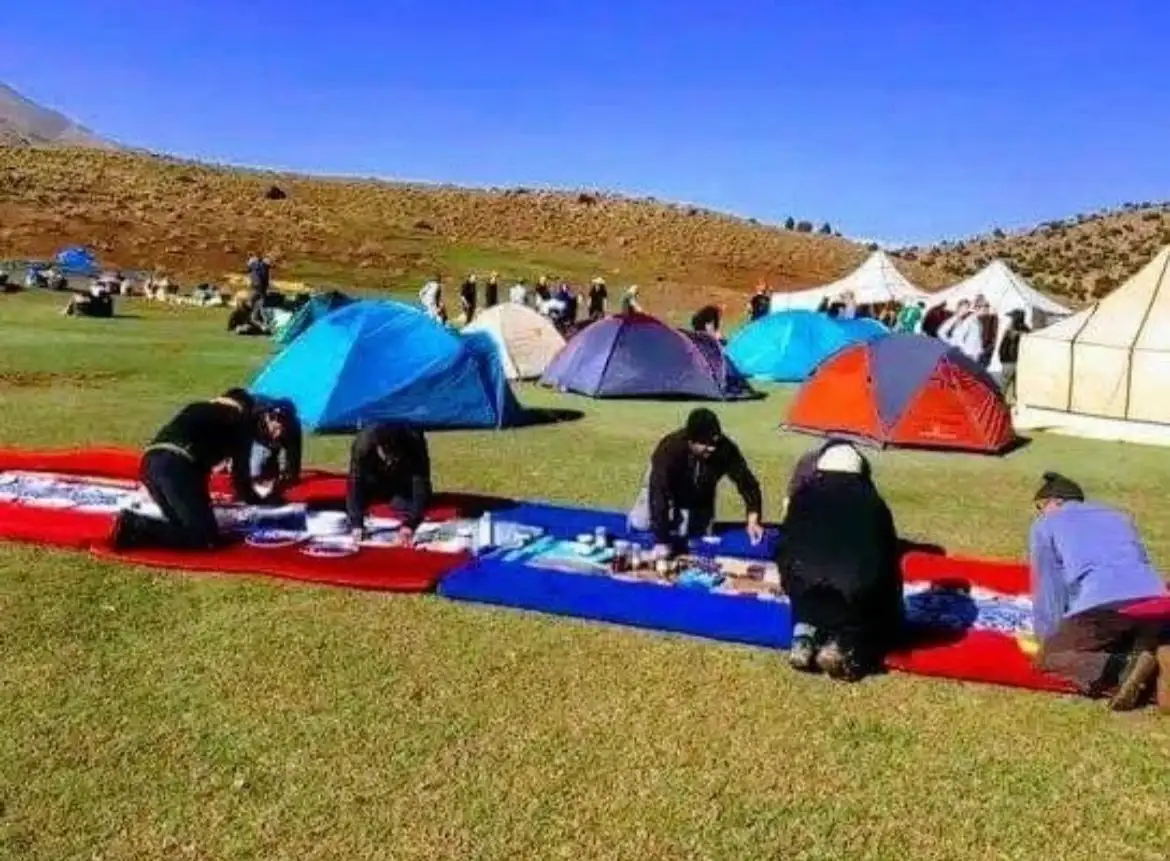
Explore Taghia, a remote climbing destination in Morocco’s High Atlas. Discover its limestone big walls, climbing history, access routes, best season, accommodation and essential preparation tips.
Taghia: A Remote Climbing Destination in Morocco
Located in one of the most isolated areas of Morocco’s High Atlas, Taghia is a small Amazigh village surrounded by impressive limestone walls, deep canyons and high mountain landscapes.
The journey generally begins in the valley of Zaouiat Ahansal. From there, Taghia is reached on foot through a spectacular mountain trail.
This isolation is an essential part of the experience. Travelling to Taghia requires preparation, patience and a willingness to leave modern comfort behind. In return, visitors discover exceptional climbing, peaceful village life and authentic human encounters.
Taghia is not a destination people reach by accident. It attracts climbers looking for long routes, quality limestone and a mountain environment far from conventional climbing areas.
Why Go Climbing in Taghia?
Taghia is famous for its large limestone walls, some of which rise several hundred metres above the valley.
The rock is generally compact, technical and highly abrasive. Climbers can find a wide variety of routes, including traditional lines, semi-equipped climbs and fully bolted multi-pitch routes.
The destination is especially appreciated for:
Long multi-pitch climbing routes
High-quality limestone
Technical face climbing and crack systems
Traditional and semi-equipped routes
Remote mountain approaches
Spectacular views over the High Atlas
A peaceful atmosphere away from crowded climbing sites
Taghia is mainly recommended for autonomous climbers with solid experience in multi-pitch climbing, rappelling, route finding and mountain risk management.
The History of Climbing in Taghia
The first significant climbing explorations in Taghia date back to the 1970s, when French climbers began opening routes using traditional methods, including pitons and removable protection.
During the following decades, more climbers explored the walls and canyons surrounding the village. Spanish climbers later played an important role in developing new routes throughout the region.
Some route developers continued to favour an adventurous style, using natural protection and installing bolts only where they considered them necessary.
Fully bolted routes appeared more recently. During the 1990s and early 2000s, Taghia began attracting climbers interested in more technical and difficult lines.
The opening of routes such as Chukran on Oujdad helped establish Taghia as a major destination for high-level climbing.
International climbers later contributed increasingly difficult routes. However, Taghia is not reserved only for elite athletes. The area also offers remarkable climbing at different grades, provided visitors carefully select routes suited to their experience.
More Than a Climbing Destination
Climbing is only one part of the Taghia experience.
The village offers an opportunity to discover Amazigh hospitality and a slower way of life shaped by the surrounding mountains.
Rest days can be spent walking through the valley, sharing meals at a guesthouse or exploring nearby hiking routes.
Popular walks may include the Tire-Bouchon Circuit and the canyons of Tadrarate and Akka N’Tazarte.
These outings allow climbers to recover while discovering the geological formations, rivers, cliffs and traditional paths surrounding the village.
How to Get to Taghia
Travel to Marrakech
For most international travellers, Marrakech is the main gateway to the region.
From Marrakech, the journey continues towards Azilal and Zaouiat Ahansal. Depending on availability and preference, travellers may use public transport, shared taxis or a private transfer organised through their accommodation.
A private transfer is generally easier for groups carrying ropes, climbing equipment and large bags.
Transport conditions, prices and departure points may change, so all arrangements should be confirmed directly with the driver or guesthouse before travelling.
Zaouiat Ahansal to Taghia
From Zaouiat Ahansal, the final part of the journey is completed on foot.
The trail crosses mountain landscapes and gorges before reaching the village. Walking time depends on pace, weather conditions and luggage.
Local muleteers can transport climbing bags, ropes and personal luggage. This allows climbers to save energy for the demanding days ahead while supporting the local economy.
Best Time for Climbing in Taghia
Spring and autumn are generally the most suitable seasons for climbing in Taghia.
Spring offers mild temperatures, longer days and favourable conditions for routes requiring long approaches and several hours on the wall.
Autumn may also provide good conditions, although shorter daylight hours must be considered when planning long routes and rappels.
Climbing during summer may be possible by selecting shaded walls and planning around the heat. Winter conditions can include cold temperatures, snow and difficult access.
Mountain weather can change quickly, and thunderstorms may cause a sudden rise in water levels inside narrow canyons.
Climbers should always check recent forecasts and obtain local advice before entering a canyon or committing to a long route.
Accommodation in Taghia
Taghia has several family-run guesthouses adapted to hikers and climbers.
Accommodation is generally simple and comfortable, with mattresses, blankets, shared bathrooms and traditional meals.
Half-board is commonly available and usually includes breakfast and dinner. Some guesthouses may also help organise:
Transfers from Marrakech
Mule transport from Zaouiat Ahansal
Local route information
Hiking guides
Meals for climbing days
Information about current mountain conditions
Services can change, so travellers should confirm the exact location, facilities, meals and transport arrangements before booking.
Food and Supplies
Meals in Taghia generally consist of traditional Moroccan dishes such as tajine, couscous, soup, bread, pancakes and omelettes.
Small shops may sell basic products, but supplies are limited. Climbers should purchase most of their food, hygiene products and technical necessities before leaving Marrakech or Azilal.
For long climbing routes, useful food options include:
Dried fruit
Nuts
Energy bars
Bread and cheese
Easy-to-carry snacks
Electrolyte products
Visitors should also bring an appropriate water-treatment solution in case they are uncertain about storage or distribution conditions.
Essential Climbing Equipment
Climbers should bring all the technical equipment required for their planned routes, as specialised climbing shops are not available in Taghia.
A typical equipment list may include:
Helmet and harness
Climbing shoes
Double ropes for long rappels
Belay and rappel devices
Quickdraws and alpine draws
Locking carabiners
Slings and anchor equipment
Cams and nuts for traditional routes
Haul bag or durable backpack
Headlamp and spare batteries
Warm clothing and wind protection
First-aid and emergency equipment
Sufficient food and water
Offline maps and route descriptions
Taghia’s limestone can be extremely abrasive. Ropes, slings and bags should be inspected regularly throughout the trip.
Safety and Preparation
Taghia is remote, and emergency assistance may be limited or slow.
Climbers should be fully autonomous, select routes that match their ability and avoid relying on immediate outside assistance.
Before starting a route, it is important to:
Check the weather forecast
Study the route and descent
Carry a headlamp
Bring extra food and water
Inform someone about the planned route
Download maps for offline use
Carry appropriate travel and mountain insurance
Prepare for unexpected delays
With careful preparation and respect for the local environment, climbing in Taghia can be one of the most rewarding mountain experiences in Morocco.